300 TPH River Pebble Crushing and Sand Making Plant in Indonesia
This 300 TPH river pebble crushing and sand making plant is located in Indonesia. Designed to process river pebbles with feed sizes ranging from 0 to 630 mm, the production line integrates crushing, screening and sand-making processes to produce multiple sizes of construction aggregates and high-quality manufactured sand. The plant is designed to meet the material requirements of construction and infrastructure projects, providing a practical solution for processing hard and abrasive river pebble materials into valuable aggregates and fine sand products.
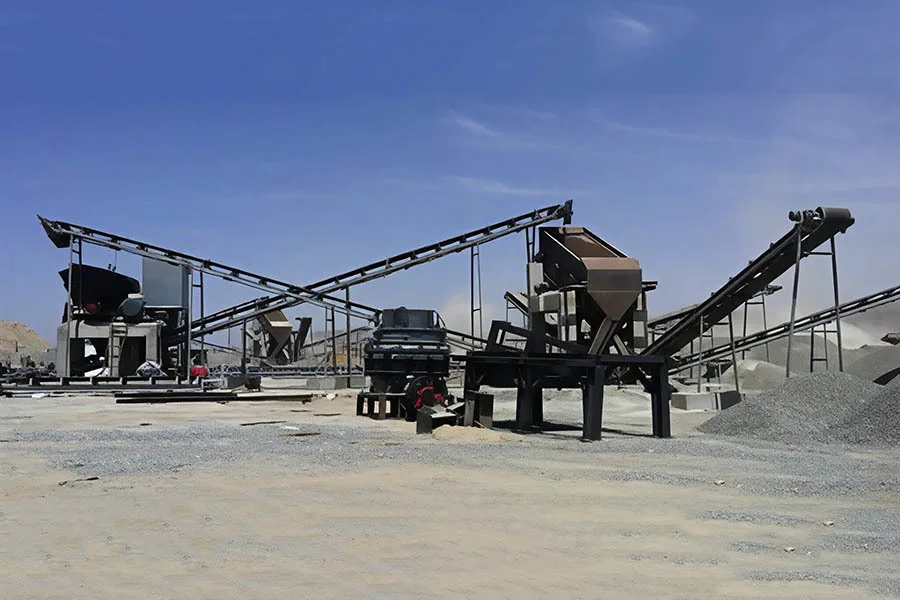
Project at a Glance
- Location
- Indonesia
- Material
- River Pebble
- Capacity
- 300 TPH
- Equipment
- Crushing, screening and conveyer
- Feed Size
- 630 mm
- Output Size
- 0–5 mm、5–20 mm、20–40 mm
- Project Stage
- In Operation · Site photo reference
- Application
- Crushing & Screening
What This Photograph Shows
1. Project Overview
This 300 TPH river pebble crushing and sand making plant is located in Indonesia. The project is designed to process river pebbles with a maximum feed size of 630 mm, producing construction aggregates and high-quality manufactured sand. River pebbles are relatively hard and abrasive materials. Therefore, an appropriate crushing and screening arrangement is important for achieving stable production and consistent product grading. The production line integrates material feeding, crushing, screening, sand making and conveying processes. With a nominal processing capacity of 300 TPH, the plant is designed to supply different aggregate sizes and fine manufactured sand for construction and infrastructure applications.2. Crushing and Sand Making Process
The typical processing arrangement consists of five main stages: Stage 1 – Raw Material Feeding Raw river pebbles with a maximum feed size of 630 mm are delivered to the feeding system. Consistent feeding helps maintain stable material flow and supports continuous plant operation. Stage 2 – Primary Crushing The primary crushing stage reduces large river pebbles into smaller pieces suitable for further processing. Equipment selection should consider the hardness, abrasiveness and maximum feed size of the material. Stage 3 – Secondary Crushing The secondary crushing stage further reduces material size and prepares the crushed pebbles for screening and subsequent sand production. Stage 4 – Screening and Classification Vibrating screens separate the crushed material into different size fractions. Proper screening arrangements help control the grading of finished aggregates and provide suitable feed material for sand making. Stage 5 – Manufactured Sand Production The sand-making stage processes suitable feed material into fine manufactured sand. The finished sand can be used in concrete production, construction materials and other building applications. Typical Process Flow River Pebble Feeding → Primary Crushing → Secondary Crushing → Screening → Sand Making → Finished Aggregates and Manufactured Sand3. Equipment Configuration
A river pebble crushing and sand making plant generally requires coordinated equipment for the following processing stages: Feeding System The feeding system provides a continuous and controlled supply of raw river pebbles to the crushing equipment. Crushing Equipment Primary and secondary crushing equipment reduce large river pebbles into smaller particle sizes for further classification and processing. Vibrating Screening System Screening equipment separates crushed material into different aggregate fractions according to the required product specifications. Sand Making Equipment The sand-making system processes suitable crushed material into high-quality manufactured sand for construction applications. Belt Conveyor System Belt conveyors connect the different processing stages and transfer raw materials, intermediate products and finished aggregates. The final equipment models, quantities and technical specifications should be confirmed according to the actual project equipment list.4. Finished Product Applications
The project is designed to produce different aggregate sizes and high-quality manufactured sand. The currently provided target sizes are understood as:- 0–5 mm: Fine manufactured sand
- 5–20 mm: Fine construction aggregate
- 20–40 mm: Coarse construction aggregate
5. Key Configuration Considerations
River pebble processing requires careful equipment selection because of the material's hardness and abrasive characteristics. The main considerations include:- Material Hardness: River pebbles require suitable crushing equipment and wear-resistant components.
- Feed Size: The production line is designed around a maximum recorded feed size of 630 mm.
- Production Capacity: The nominal processing capacity is 300 TPH. Equipment matching and stable feeding are important for continuous production.
- Product Gradation: Screening arrangements should meet the required aggregate sizes and provide suitable material for sand making.
- Sand Quality: Sand-making equipment and screening configuration should be selected to achieve the required manufactured sand grading.
- Maintenance: Wear-part replacement, equipment accessibility and routine maintenance should be considered during plant layout planning.
6. Application in Construction Projects
The main purpose of this production line is to supply construction aggregates and high-quality manufactured sand. The different aggregate fractions can be used in concrete production, road construction and general infrastructure projects. Manufactured sand provides an additional fine aggregate source for construction applications. By integrating crushing, screening and sand-making processes, the production line is designed to make effective use of river pebble resources and produce multiple finished material sizes. For customers planning similar river pebble processing projects, LBZG Crusher can provide customized equipment selection and complete crushing and sand-making plant solutions according to feed size, production capacity and finished product requirements.Location, material, rated capacity, equipment models and output sizes are not shown unless confirmed in the original project record.
Related Project Cases
200 TPH Gold Ore Crushing Plant in Saudi Arabia | LBZG Crusher
Material: Gold Ore
This 200 TPH gold ore cr…
View Project →
200 TPH Crushing Plant in Tajikistan | LBZG Crusher
Material: Basalt
This 200 TPH basalt crus…
View Project →
100 TPH Granite Crushing Plant in Kazakhstan | LBZG Crusher
Material: Granite
According to the current…
View Project →