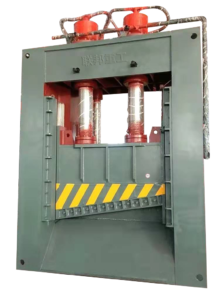
Heavy-Duty Construction
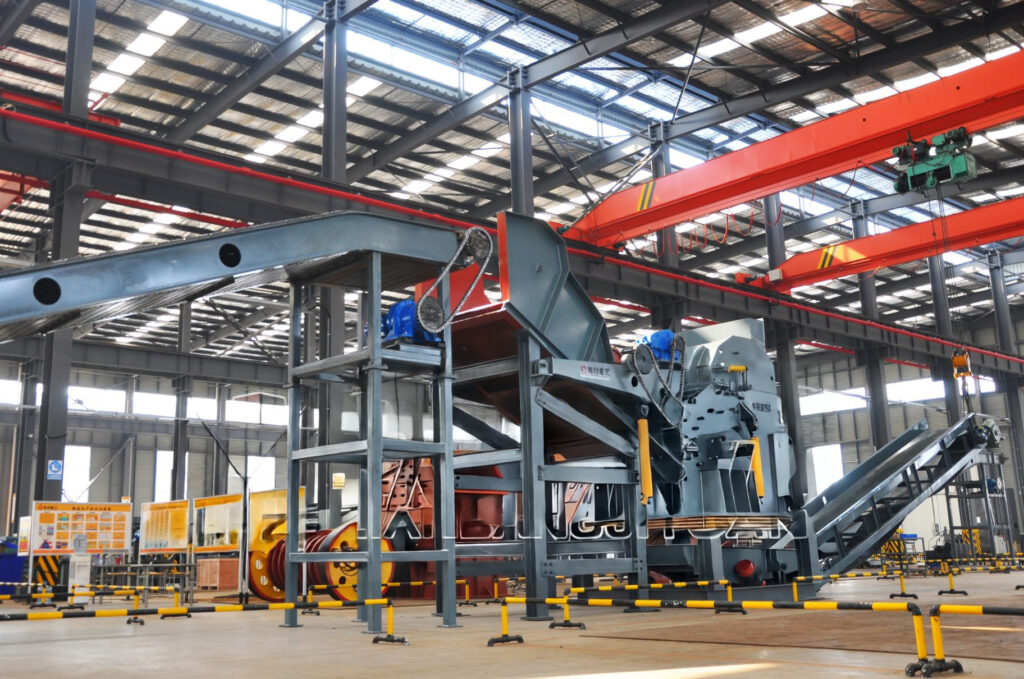
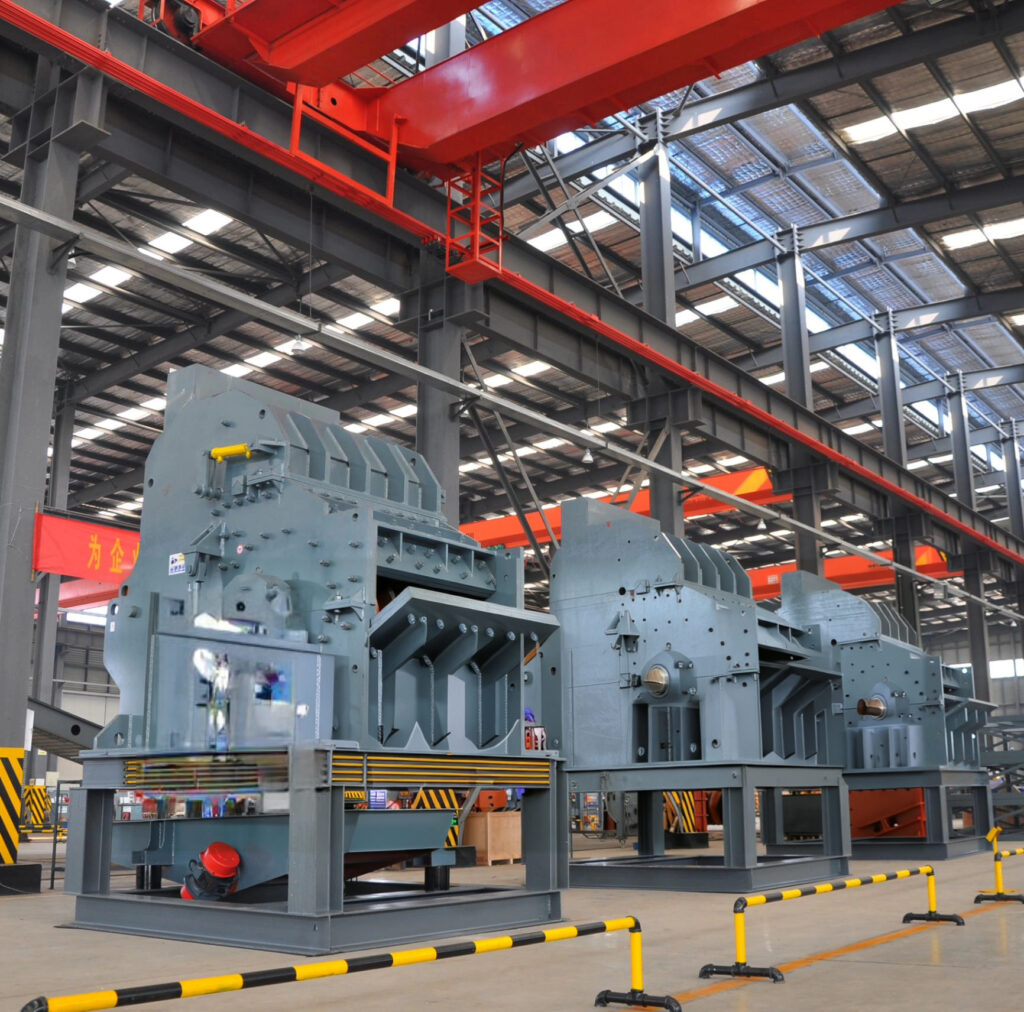
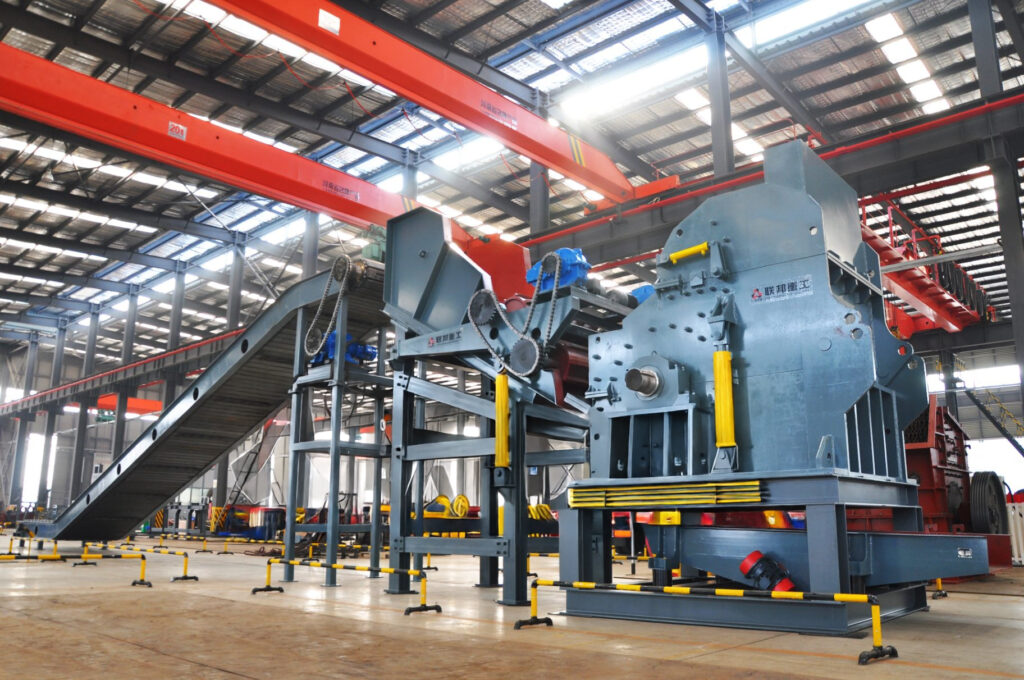
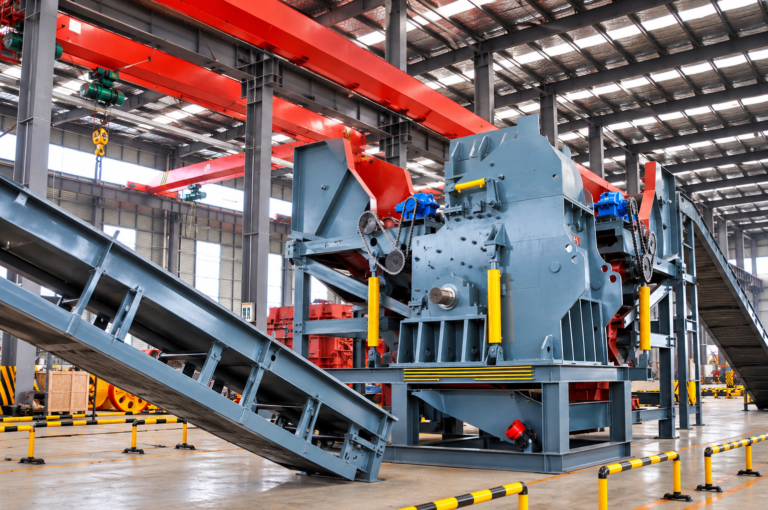
Robust steel structure designed for demanding scrap metal recycling applications.
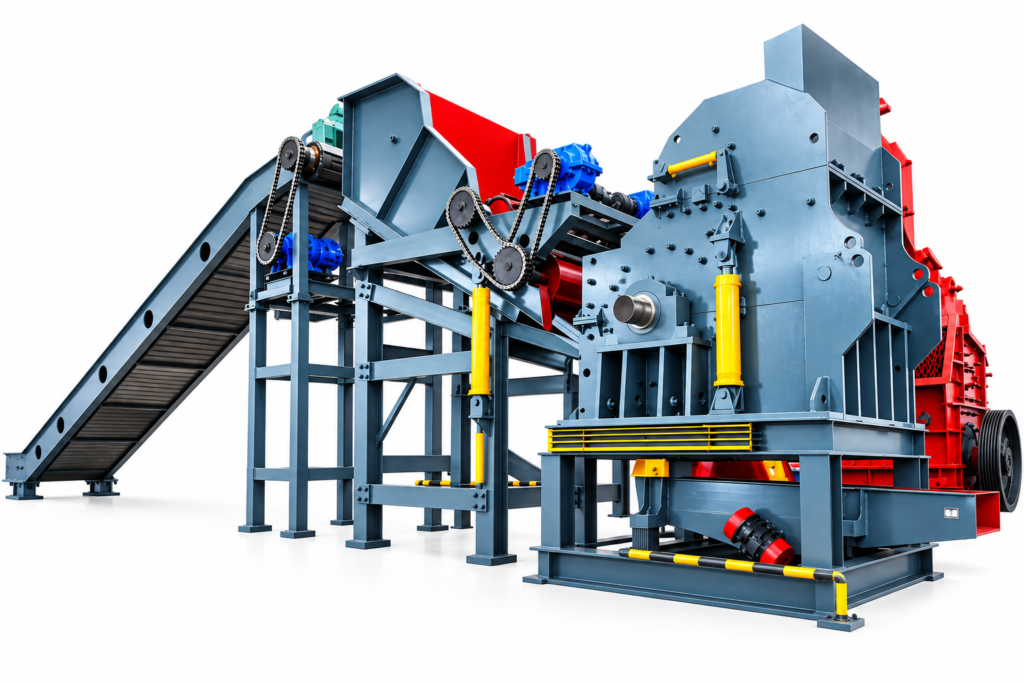
A typical scrap steel shredding production line include […]
Tell us your material, feed size and target capacity for model selection.
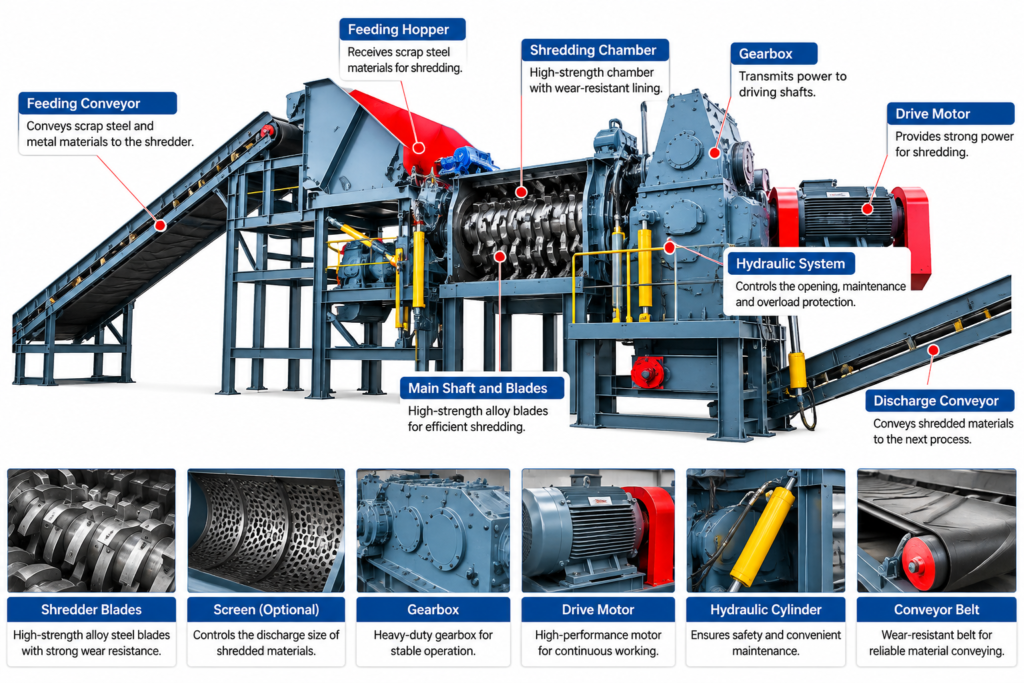
A typical scrap steel shredding production line includes a feeding conveyor, shredder, discharge conveyor, and optional metal separation equipment. The system can be configured according to material type, processing capacity, and output requirements.
Main Processing Stages:
Typical Applications:
LBZG offers flexible equipment configurations for different recycling needs. Contact us for a customized solution.
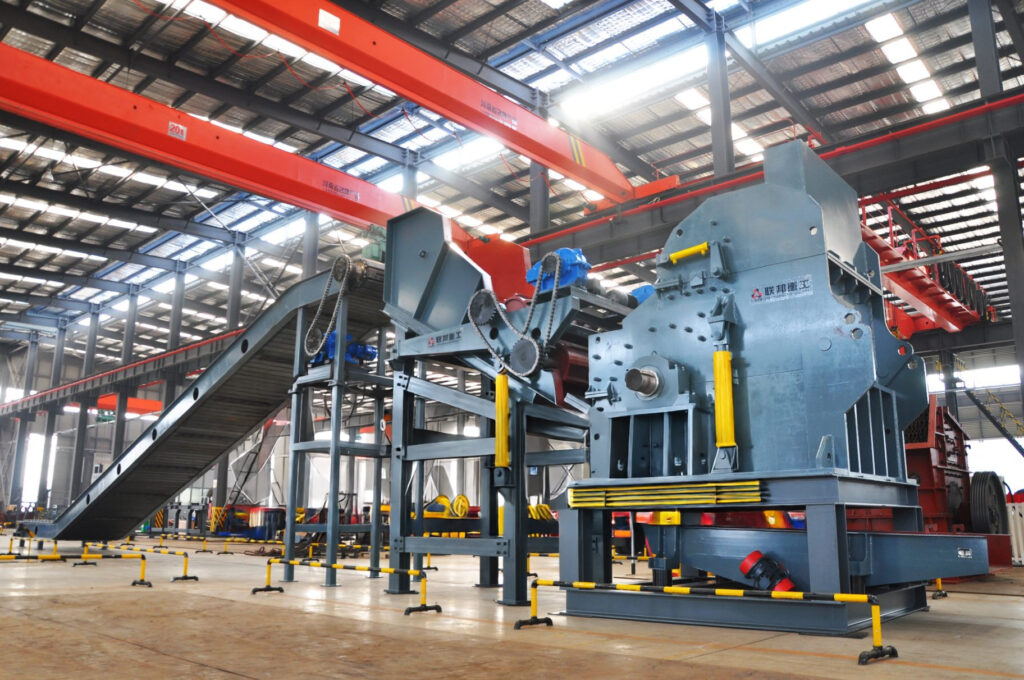
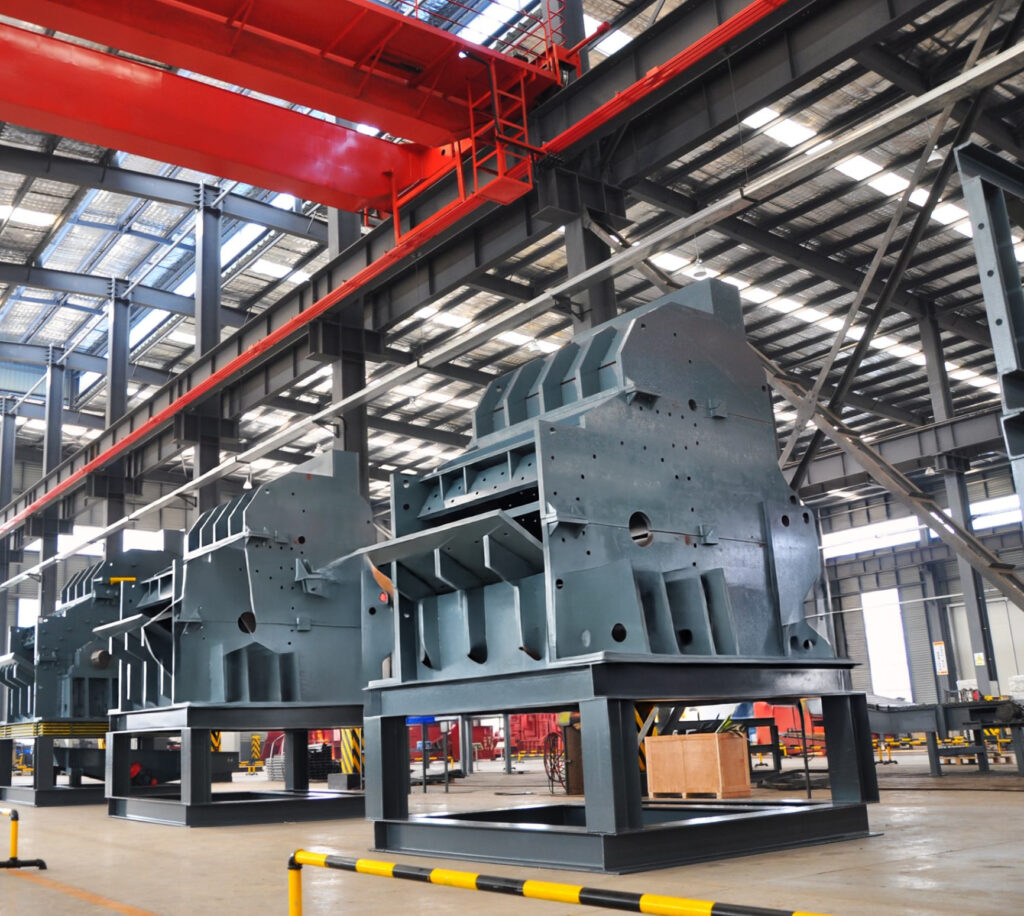
LBZG Scrap Steel Shredder is designed for scrap metal recycling, waste steel processing, and industrial metal recovery applications.
Typical Applications:
• Scrap Metal Recycling Yards: Processing mixed scrap steel and recyclable metal materials.
• Steel Recycling Facilities: Reducing bulky steel scrap into smaller pieces for further processing.
• Industrial Waste Recycling: Handling suitable metal waste from manufacturing and fabrication operations.
• Metal Recovery Plants: Preparing shredded metal for sorting, separation, and downstream recycling.
The scrap steel shredder reduces recyclable metal materials into smaller pieces through a mechanical shredding process.
Step 1 – Material Feeding
Scrap steel and suitable metal waste are transported into the shredding chamber through the feeding conveyor or other compatible feeding equipment.
Step 2 – Shredding Process
The drive system powers the main rotor and shredding components. The rotating elements apply mechanical forces to break and reduce the size of incoming metal materials.
Step 3 – Material Size Reduction
Scrap metal is progressively reduced into smaller pieces inside the shredding chamber. The resulting particle size depends on the machine configuration and material characteristics.
Step 4 – Material Discharge
Processed materials leave the shredding chamber and can be transferred by a discharge conveyor for collection, sorting, or further recycling.
Step 5 – Downstream Processing
Depending on project requirements, shredded materials may undergo magnetic separation, sorting, or additional processing to recover recyclable metals.
The actual working process and equipment arrangement may vary depending on the selected model.
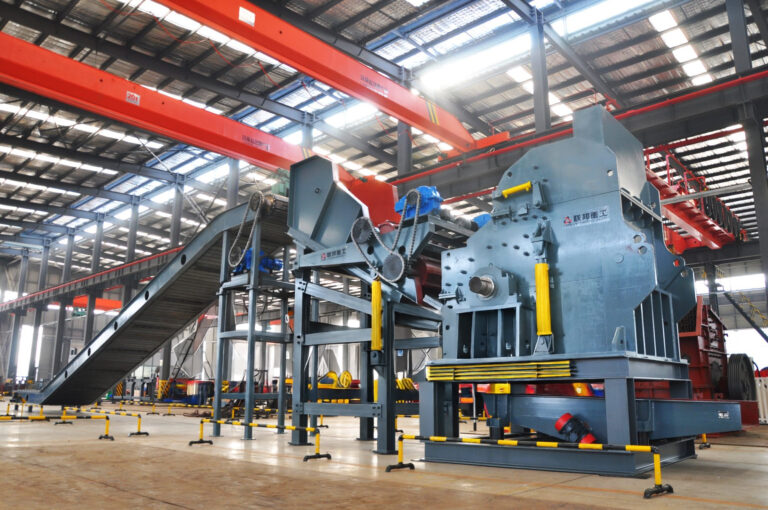
Robust steel structure designed for demanding scrap metal recycling applications.
Heavy-duty rotor and shredding components designed to reduce suitable scrap steel into smaller pieces.
Durable shredding blades and wear parts help support reliable operation under appropriate working conditions.
Conveyor feeding options support continuous material handling and convenient operation.
Shredding system configurations can be selected according to material characteristics and processing requirements.
Accessible equipment components facilitate routine inspection, maintenance, and replacement of wear parts.
Feeding, shredding, conveying, and auxiliary equipment can be configured for different metal recycling applications.
| Model | Feed opening width(mm) | Main motor power(kW/HP) | Productivity(t/h) |
|---|---|---|---|
| PSX-90 | 1000 | 90(120) | 2-3 |
| PSX-160 | 1200 | 160(212) | 4-6 |
| PSX-400 | 1400 | 400(535) | 6-10 |
| PSX-500 | 1600 | 500(670) | 12-18 |
| PSX-700 | 2200 | 750(1000) | 15-20 |
| PSX-900 | 2200 | 900(1200) | 20-25 |
| PSX-1200 | 2200 | 1200(1600) | 25-30 |
| PSX-1500 | 2200 | 1500(2000) | 30-50 |
| PSX-2250 | 2500 | 2250(3000) | 50-70 |
Specifications are for reference only. Performance depends on material properties and operating conditions. Confirm the selected model and configuration with LBZG before ordering.
Ask about a suitable model →Choosing the right scrap steel shredder depends on the type of metal waste, material dimensions, required processing capacity, and desired output size.
Identify whether the feedstock includes light scrap steel, sheet metal, mixed metal waste, or other recyclable materials.
Consider the maximum dimensions, thickness, and shape of the incoming scrap.
Determine the required throughput in tons per hour (TPH).
Specify the preferred shredded material size and downstream processing needs.
Interested in Complete Production Line for Scrap Steel Crusher? Share your project requirements with our team.
Tell us your material, target capacity and required output sizes so we can discuss the equipment and quotation scope.
Regular inspection and preventive maintenance are essential for maintaining stable operation and extending the service life of scrap steel shredding equipment.
Recommended Maintenance Practices:
• Inspect shredding blades, shafts, and wear components regularly.
• Check the lubrication condition of bearings and transmission components.
• Monitor the motor, gearbox, and hydraulic system for abnormal noise, vibration, or overheating.
• Inspect conveyor belts, rollers, and feeding equipment for wear or damage.
• Remove accumulated scrap materials and keep the working area clean.
• Check fasteners, protective covers, and safety devices before operation.
• Follow the manufacturer's maintenance instructions and recommended service intervals.
Safety Reminder: Always stop the machine, isolate all energy sources, and follow lockout/tagout procedures before inspection, cleaning, or maintenance.
Discuss equipment selection and your project requirements with our team.
Confirm installation responsibilities and available guidance for the agreed equipment scope.
Share your equipment model and part requirements to discuss suitable replacements.
Equipment Selection Consultation
LBZG provides product information and equipment selection consultation based on customers' material characteristics, processing capacity requirements, and project conditions.
Customized Equipment Configuration
Customers can discuss suitable machine configurations, feeding arrangements, and auxiliary equipment options according to their specific recycling requirements.
Technical Information Support
Our team can provide available product specifications, equipment information, and technical documentation to support customers during equipment evaluation and purchasing.
Quotation and Order Communication
Contact LBZG for product inquiries, equipment quotations, configuration discussions, and order-related information.
After-Sales Communication
Customers can contact LBZG for equipment-related questions and available after-sales assistance. Specific service arrangements are subject to the agreed order terms.
Share your material, target capacity and required output sizes.