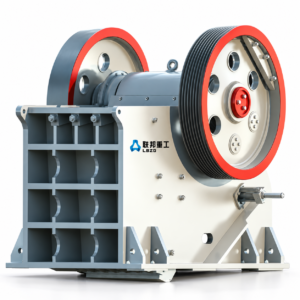
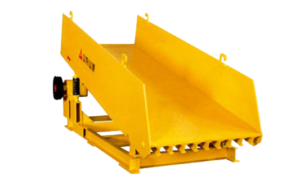
Heavy-Duty Construction – Robust cylindrical shell and supporting structure designed for industrial grinding applications.

Grinding
MB Rod Mill
Discuss rod mill requirements and downstream processing needs.
Tell us your material, feed size and target capacity for model selection.
Product overview
About MB Rod Mill
Discuss rod mill requirements and downstream processing needs.
Please provide material type, maximum feed size, target capacity, finished product sizes and destination country. Confirm model selection, specifications and delivery terms in your quotation.


Application guide
Why Choose This Crusher for Your Project?
LBZG Ball Mill is suitable for grinding ores, limestone and other mineral materials in mining, mineral processing and industrial applications. It is commonly used after primary and secondary crushing to achieve finer particle sizes for downstream processing.
The equipment uses rotating grinding media to reduce material particle size through impact and abrasion. Depending on project requirements, ball mills can be configured for wet or dry grinding applications.
Key benefits include:
- Suitable for various ores and mineral materials.
- Supports fine grinding and particle size control.
- Can be integrated into crushing, grinding and classification systems.
- Available in different sizes to meet processing capacity requirements.
- Suitable for mineral processing and industrial grinding projects.
How Does This Equipment Work?
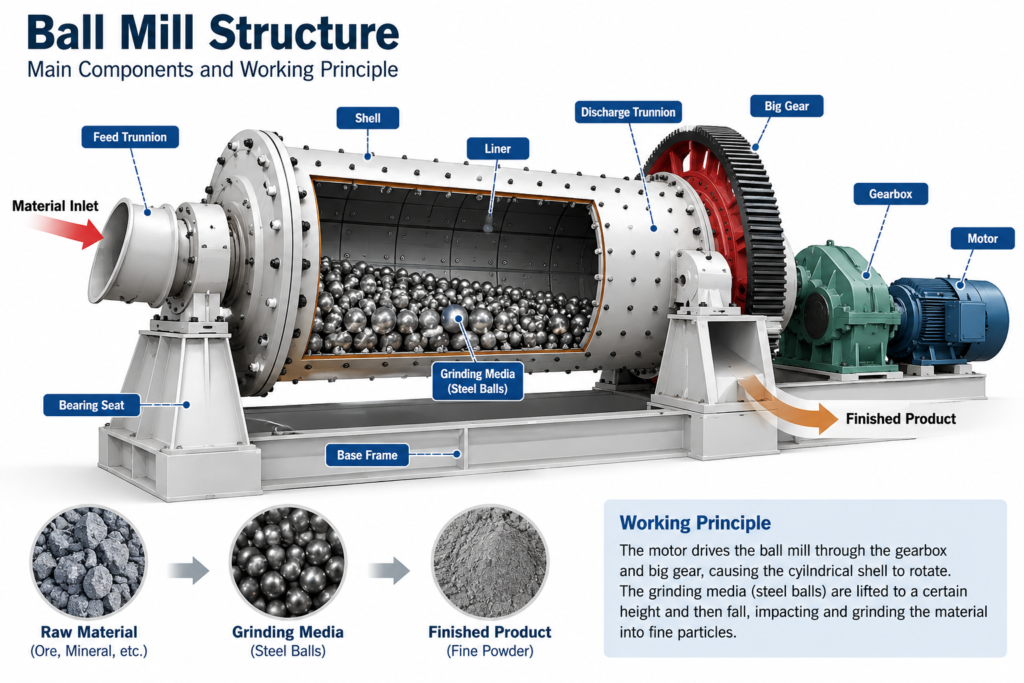
The Ball Mill operates by rotating a cylindrical grinding drum partially filled with steel balls. Material enters the grinding chamber through the feed inlet and is gradually reduced in size by impact and abrasion.
During operation, the motor drives the grinding cylinder through the transmission system. As the cylinder rotates, the grinding media are lifted along the inner wall and then fall or roll, applying impact and friction forces to the material.
The ground material moves toward the discharge end and exits the mill for further classification or downstream processing. Depending on the equipment configuration, the grinding process can be carried out under wet or dry conditions.
The final particle size depends on factors such as feed characteristics, grinding media size, mill speed, operating conditions and grinding time.
What Are Its Main Benefits?
Efficient Grinding Performance – Steel grinding media reduce material particle size through impact and abrasion.
Versatile Applications – Suitable for grinding ores, limestone and other mineral materials in mining and industrial processing.
Wet and Dry Grinding Options – Different configurations can be selected according to material properties and process requirements.
Wear-Resistant Liners – Replaceable internal liners help protect the grinding cylinder from abrasion.
Flexible Capacity Selection – Different mill sizes can be selected according to required throughput and grinding fineness.


Technical Specifications
| Model | Feed size(mm) | Capacity — weathered sand(t/h) | Capacity — river stone(t/h) | Motor power(kW) |
|---|---|---|---|---|
| 1.8×3.6 | ≤20 | 40-80 | 20-50 | 155-180 |
| 1.8×4.5 | ≤20 | 50-100 | 20-60 | 155-180 |
| 2.2×3.6 | ≤20 | 60-110 | 40-70 | 180-245 |
| 2.2×4.5 | ≤20 | 80-120 | 40-80 | 180-245 |
| 2.4×3.6 | ≤20 | 100-160 | 60-100 | 320-380 |
| 2.4×4.5 | ≤20 | 120-180 | 80-120 | 320-380 |
| 2.7×3.6 | ≤20 | 130-200 | 90-140 | 380-475 |
| 2.7×4.5 | ≤20 | 150-250 | 100-150 | 380-475 |
| 3.2×4.5 | ≤20 | 200-300 | 150-250 | 630-800 |
| 3.6×4.5 | ≤20 | 300-400 | 200-300 | 1250-1500 |
Specifications are for reference only. Performance depends on material properties and operating conditions. Confirm the selected model and configuration with LBZG before ordering.
Ask about a suitable model →How Do You Choose the Right Model?
Choosing the right ball mill depends on material characteristics, feed size, required capacity and target grinding fineness.
Key selection factors
- Material Type
Identify the ore or mineral to be processed.
- Feed Size
Confirm the maximum particle size entering the mill.
- Processing Capacity
Determine the required throughput in tons per hour (t/h).
- Final Product Size
Specify the desired grinding fineness or particle size distribution.
- Grinding Method
Select wet or dry grinding according to process requirements.
- Installation Conditions
Consider available space, power supply and downstream equipment.
Contact LBZG with your project requirements for equipment selection assistance and technical recommendations. Final specifications should be confirmed before ordering.
Get a quote
Interested in This Machine?
Interested in MB Rod Mill? Share your project requirements with our team.
Tell us your material, target capacity and required output sizes so we can discuss the equipment and quotation scope.
- Discuss equipment and model selection
- Review your material and production requirements
- Confirm equipment configuration and supply scope
Buyer questions
MB Rod Mill: Questions & Answers
What information is needed for a ball mill quotation?
Please provide material type, maximum feed size, required capacity, target output fineness, grinding method and destination country.
What information is needed for an MB rod mill enquiry?
Provide the material, feed size, required product size, throughput and downstream process requirements.
How should I explain the rod mill installation site?
Include the available footprint, access, upstream and downstream connection points and power supply.
What should I check in a rod mill quotation?
Confirm the selected model, drive arrangement, included components and any project-specific accessories.
How do I request the current specification sheet?
Send the product name and your material, feed size, capacity, output and destination country to our team. Current specifications and commercial terms will be confirmed in the quotation.
More Product Questions (5)
What is a ball mill used for?
A ball mill is used to grind ores and mineral materials into finer particles for mineral processing and industrial applications.
What is the difference between a ball mill and a rod mill?
A ball mill uses steel balls as grinding media, while a rod mill uses steel rods. Their grinding characteristics and suitable applications differ.
Can a ball mill operate in wet and dry grinding conditions?
Ball mills can be designed for wet or dry grinding, depending on equipment configuration and process requirements.
How do I choose the right ball mill capacity?
Capacity selection depends on material hardness, feed size, target fineness and required processing throughput.
What are the main components of a ball mill?
Main components typically include the cylindrical shell, liners, grinding media, bearings, feed and discharge assemblies, and drive system.
Maintenance & Project Support
Regular inspection and preventive maintenance help maintain stable ball mill operation and reduce unexpected downtime.
Recommended maintenance practices:
- Check lubrication conditions of bearings and transmission components.
- Inspect grinding liners and steel balls for wear.
- Monitor abnormal noise, vibration and operating temperature.
- Check bolts, couplings and transmission components for looseness or damage.
- Maintain proper grinding media loading according to equipment specifications.
- Inspect feed and discharge systems for blockages or excessive wear.
- Follow the manufacturer's maintenance schedule and safety procedures.
Always stop and isolate the equipment before inspection or maintenance. Replace worn components according to the applicable equipment manual.
Technical Support
Discuss equipment selection and your project requirements with our team.
Installation & Operation
Confirm installation responsibilities and available guidance for the agreed equipment scope.
Wear Parts & Spare Parts
Share your equipment model and part requirements to discuss suitable replacements.
Read Full Service Information
LBZG provides equipment selection consultation and technical information for Ball Mill applications.
Our team assists customers in evaluating suitable grinding equipment based on material characteristics, feed size, required processing capacity and target product fineness.
Technical specifications, equipment configuration options and quotation details can be discussed according to individual project requirements.
For installation guidance, spare parts availability and after-sales support, please contact LBZG to confirm the applicable service arrangements before ordering.