Limestone Crushing Plant Solution
Material-based crushing and screening reference for limestone aggregate production.
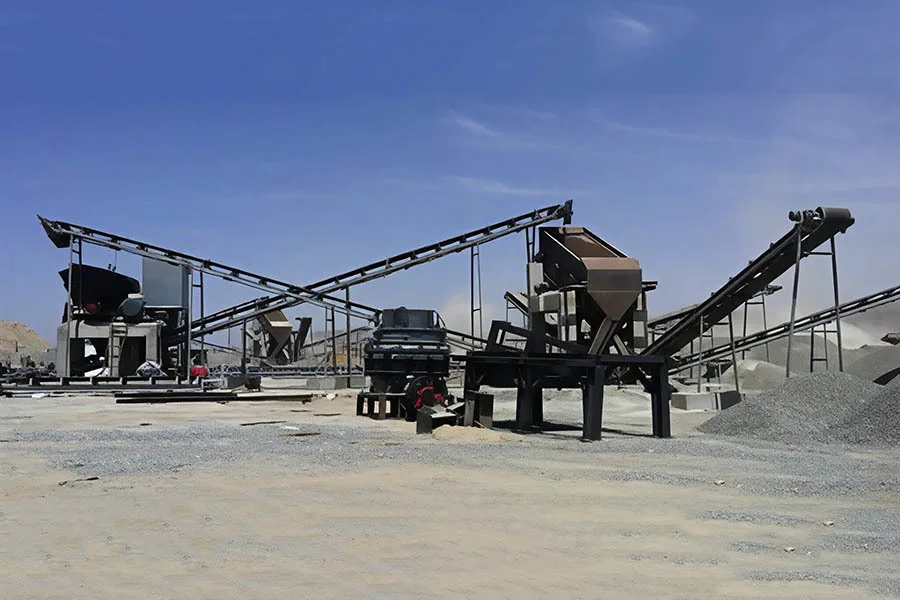
Solution Overview
A practical limestone crushing and screening route for aggregate production. Crusher type and screen arrangement depend on feed size, moisture, clay content and the required finished fractions.
Process Flow Diagram
- 01FeedingA vibrating feeder can regulate the flow of raw limestone into the primary crusher.
- 02Primary CrushingA jaw crusher is commonly evaluated to reduce large limestone feed.
- 03Secondary CrushingAn impact or cone crusher may be selected according to rock properties and target product shape.
- 04ScreeningA multi-deck vibrating screen separates the crushed material into the required size fractions.
- 05ConveyingBelt conveyors transfer material between stages and to finished stockpiles.
Equipment Groups to Evaluate
| Process | Equipment Type | Selection Notes |
|---|---|---|
| Feeding | Vibrating feeder | Controls feed rate; size is selected after feed and capacity review. |
| Primary crushing | Jaw crusher | Commonly evaluated for primary size reduction. |
| Secondary crushing | Impact crusher or cone crusher | Choose according to limestone characteristics and finished product targets. |
| Classification | Vibrating screen | Deck arrangement and apertures follow the requested product fractions. |
| Material handling | Belt conveyors | Lengths and widths depend on plant layout and transfer points. |
Finished Product Sizes & Grading
A screening circuit can separate material into several finished size fractions. The number of products and each size range depend on the customer specification, screen deck arrangement, feed characteristics and circulating load.
Share the target grading (for example, the required number of aggregate fractions and their size ranges) so the process and screen configuration can be reviewed. No fixed output sizes or capacities are assumed on this reference page.
This is a preliminary material-based process reference, not a confirmed project quotation. Final equipment models, quantities, capacity and finished product fractions must be checked against the actual feed material, feed size, site conditions and customer grading requirements.
Discuss This Solution
Share your material, feed size, target capacity and required output sizes.