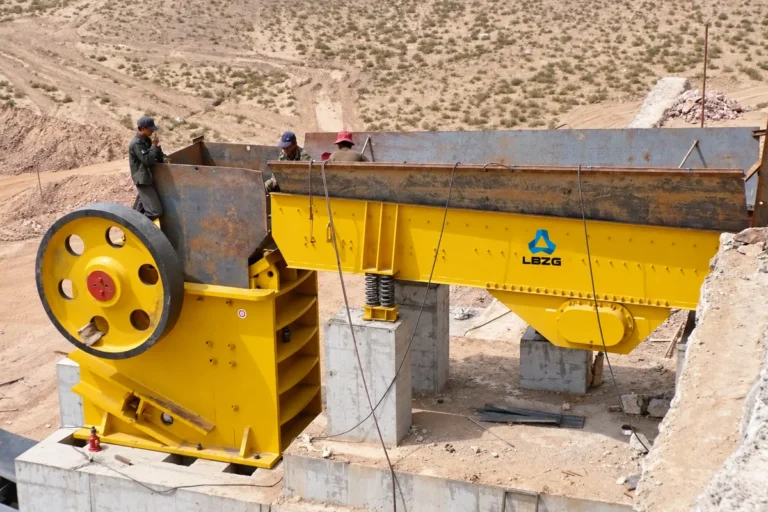
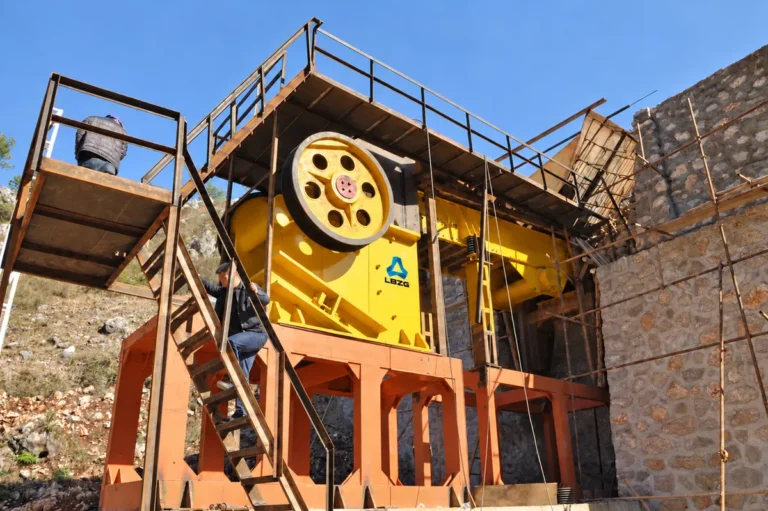
Jaw crushing for primary stone size reduction.

Crushing
PE Series Jaw Crusher
Primary crushing for stone and mineral processing projects.
Tell us your material, feed size and target capacity for model selection.
Product overview
About PE Series Jaw Crusher
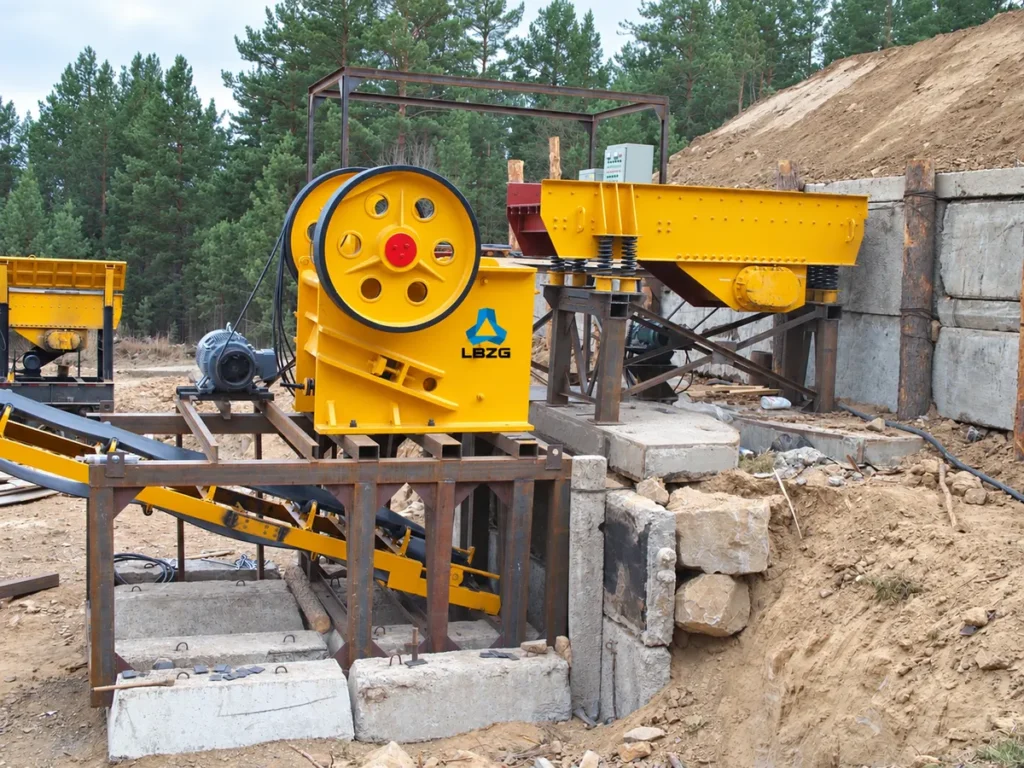
The PE Series Jaw Crusher is a primary crushing machine designed for processing hard and medium-hard materials, including granite, basalt, limestone, river stone and various mineral ores. Manufactured by Shandong Lianbang Heavy Industry (LBZG), it is widely used in quarrying, mining, aggregate production and construction material processing.
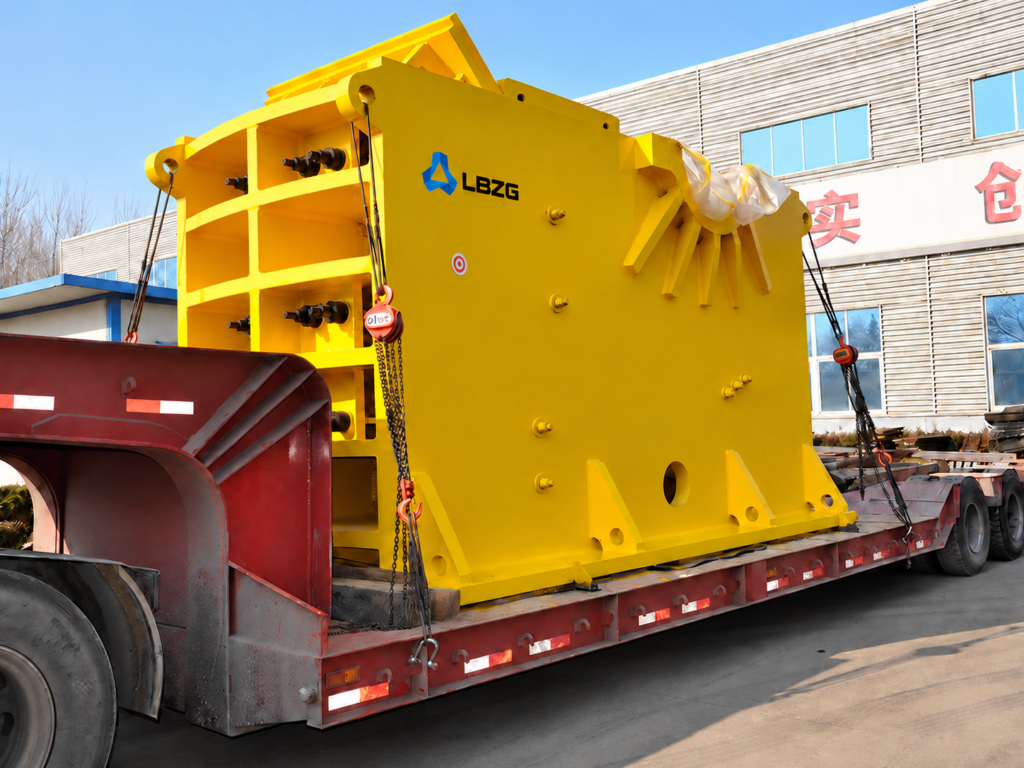
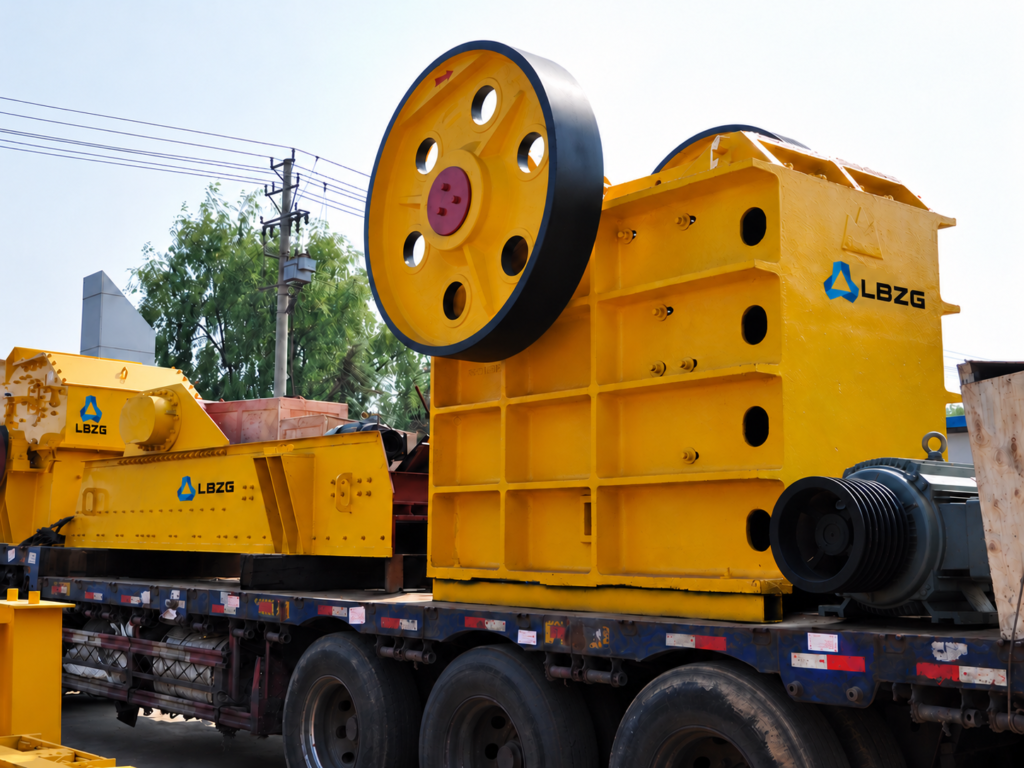
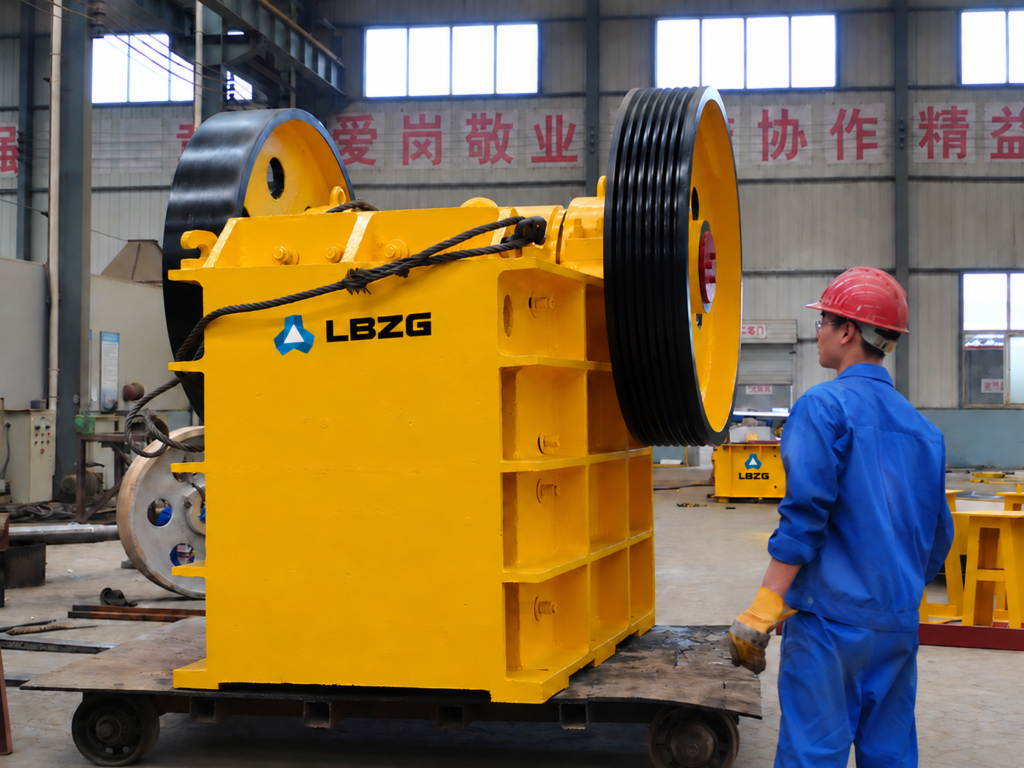
The machine operates through the movement of a swing jaw against a fixed jaw, compressing and breaking large rocks into smaller particles. Its robust frame, wear-resistant jaw plates and straightforward mechanical structure are designed to support reliable crushing performance and convenient maintenance.
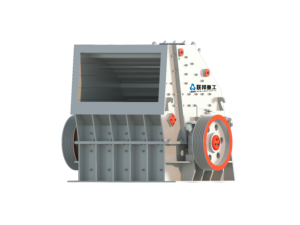
The PE Series Jaw Crusher can be used as the first stage of a complete stone crushing plant, working together with cone crushers, impact crushers, vibrating screens and belt conveyors to produce aggregates of different sizes.
LBZG offers different PE jaw crusher models to meet various feed size, processing capacity and discharge size requirements. Customers can contact our team for model selection and equipment configuration recommendations based on their specific projects.

Application guide
Why Choose This Crusher for Your Project?
A PE jaw crusher is used to reduce large stone at the primary crushing stage, preparing feed for downstream crushing and screening. Choose the model around your material, largest feed size and required throughput, rather than the model name alone.
For quarry and aggregate projects, assess rock hardness, abrasiveness, moisture and the amount of fines before confirming the configuration. If your project needs finished sand or tightly graded aggregate, plan the downstream equipment as well: the jaw crusher is one stage of the complete process.
Materials & Applications
Used for primary crushing in quarrying, aggregate production and stone crushing plants. Materials may include granite, basalt, limestone and river stone. Suitability and model selection should be confirmed according to material hardness, abrasiveness, maximum feed size and required capacity.
How Does the Jaw Crusher Work?
The motor drives the eccentric shaft, causing the movable jaw to move towards and away from the fixed jaw. Material entering the crushing chamber is compressed between the two jaw plates. The crushed material is discharged through the opening at the bottom.

What Are Its Main Benefits?
Different models for different feed sizes and capacity requirements.
Model selection based on material properties and required output sizes.
Works with feeders, secondary crushers and screens as part of a complete crushing line.
Equipment Photos & Video
Technical Specifications
| Model | Feed opening(mm) | Max. feed size(mm) | Output size(mm) | Rotation speed(r/min) | Capacity(t/h) | Power(kW) | Overall dimensions(L×W×H, mm) | Weight(t) |
|---|---|---|---|---|---|---|---|---|
| PE150×250 | 150×250 | ≤130 | 10-40 | 320 | 1-5 | 5.5 | - | 1 |
| PE250×400 | 250×400 | ≤210 | 20-80 | 320 | 5-20 | 15 | - | 2.5 |
| PE400×600 | 400×600 | ≤340 | 40-90 | 270 | 15-40 | 30 | 1450×1750×1670 | 6.5 |
| PE500×750 | 500×750 | ≤480 | 50-110 | 270 | 20-80 | 55 | 2046×1964×2010 | 8.9 |
| PE600×900 | 600×900 | ≤520 | 65-130 | 260 | 50-150 | 75 | 2240×2128×2530 | 16.6 |
| PE700×1000 | 700×1000 | ≤600 | 70-140 | 260 | 80-170 | 90 | 2280×2266×2530 | 18.5 |
| PE750×1060 | 750×1060 | ≤630 | 80-140 | 250 | 100-180 | 110 | 2538×2350×2782 | 26.1 |
| PE800×1100 | 800×1100 | ≤700 | 100-200 | 250 | 120-230 | 110 | 2955×2390×2972 | 29.0 |
| PE900×1100 | 900×1100 | ≤800 | 100-200 | 250 | 130-250 | 132 | 2708×2490×2843 | 33.4 |
| PE900×1200 | 900×1200 | ≤800 | 100-230 | 250 | 180-280 | 132 | 2950×2882×3270 | 42.4 |
| PE1000×1200 | 1000×1200 | ≤900 | 140-250 | 250 | 200-400 | 132 | - | - |
| PE1100×1300 | 1100×1300 | ≤1000 | 170-280 | 220 | 300-600 | 160 | - | - |
| PE1200×1500 | 1200×1500 | ≤1000 | 150-350 | 180 | 300-800 | 200 | 4590×3342×4037 | 109 |
Specifications are for reference only. Performance depends on material properties and operating conditions. Confirm the selected model and configuration with LBZG before ordering.
Ask about a suitable model →How Do You Choose the Right Model?
Describe the material
tell us the rock type and whether the feed contains clay, moisture or abrasive minerals. Photos and available test reports help assess the application.
Confirm the largest feed
measure the largest incoming pieces, not only the average size. Match this against the permitted feed size of the selected model.
Define production needs
provide the target tonnes per hour and final product sizes. Capacity figures depend on feed properties, discharge setting and operating conditions.
Plan the complete circuit
tell us whether you already have a feeder, secondary crusher, screen and conveyors. Their capacities need to work together.
Confirm installation conditions
share the destination, power supply, available space and whether the plant should be stationary or mobile. These details help define the quotation scope.
Plan wear parts and maintenance
discuss jaw plates, spare parts and routine maintenance requirements. Consider material abrasiveness, operating hours and parts availability when comparing the total operating cost.
Get a quote
Interested in This Machine?
Interested in PE Series Jaw Crusher? Share your project requirements with our team.
Tell us your material, target capacity and required output sizes so we can discuss the equipment and quotation scope.
- Discuss equipment and model selection
- Review your material and production requirements
- Confirm equipment configuration and supply scope
Buyer questions
PE Series Jaw Crusher: Questions & Answers
How do I choose a PE jaw crusher model?
Start with the largest feed size, material characteristics, required throughput and final product sizes. Compare these with the model table, then ask our team to check the complete plant configuration.
What affects the actual production capacity?
Feed size distribution, material properties, moisture, discharge setting and feeding conditions can change throughput. The capacity range in a table should be assessed against your project's conditions.
How often do jaw plates need replacing?
Replacement intervals vary with abrasiveness, operating hours, feeding conditions and the wear profile. Inspect the plates as specified in the equipment manual and plan replacement around actual wear.
What information is needed for a quotation?
Send your material, largest feed size, target capacity, output sizes and destination. You can start with a short enquiry and provide technical details during the follow-up discussion.
What about delivery, installation and spare parts?
Ask for the scope to be specified in the quotation: equipment configuration, lead time, transport terms, installation assistance and spare parts supply should be confirmed for your order.
More Product Questions (6)
What capacity is listed for these PE jaw crusher models?
The brochure lists 50–150 t/h for PE600×900, 100–180 t/h for PE750×1060 and 180–280 t/h for PE900×1200. Actual output depends on the project conditions.
What maximum feed size is listed for these models?
The brochure reference limits are 510 mm, 630 mm and 760 mm for PE600×900, PE750×1060 and PE900×1200 respectively.
What motor power is listed for these PE models?
The brochure lists 75 kW, 110 kW and 132 kW for PE600×900, PE750×1060 and PE900×1200 respectively. Confirm the current configuration in the quotation.
How do I request the current specification sheet?
Send the product name and your material, feed size, capacity, output and destination country to our team. Current specifications and commercial terms will be confirmed in the quotation.
Can a jaw crusher produce finished sand by itself?
A jaw crusher normally performs primary reduction. A sand-making project generally needs additional processing and screening stages; the arrangement depends on the feed and final specification.
Should I use a cone crusher or an impact crusher after the jaw crusher?
The choice depends on hardness, abrasiveness and the required final product. Share the material details and output requirements so the downstream stage can be evaluated.
Maintenance & Project Support
Plan inspections around jaw plate wear, lubrication, fasteners, guards and the feeding arrangement. Wear part replacement intervals depend on the material and operating conditions; a single fixed service-life promise does not suit every project.
Use the supplied equipment manual for lubrication, adjustment and service intervals. Before inspection or servicing, stop the machine and isolate its energy sources according to the site's procedures. Adjustment and replacement work should be performed by trained personnel.
Technical Support
Discuss equipment selection and your project requirements with our team.
Installation & Operation
Confirm installation responsibilities and available guidance for the agreed equipment scope.
Wear Parts & Spare Parts
Share your equipment model and part requirements to discuss suitable replacements.
Read Full Service Information
Integrated Equipment & Plant Solutions
LBZG combines equipment manufacturing with integrated solutions for crushing, screening and aggregate production. Contact our team to discuss your material, required capacity and finished product sizes.
Technical Service
Our technical and sales service team supports product and project enquiries. For complete plant projects, EPC cooperation can be discussed according to the project scope. The agreed supply and service scope will be specified in the quotation and contract.
Spare Parts Support
LBZG supplies equipment accessories and wear parts. Send us your equipment model, part photos and requirements so our team can discuss suitable replacement parts.